Travelling there and back
France is served by the usual range of low-cost airlines, all of whom will carry your bike for a fee.
There are also numerous ferry routes from Britain to France, all of whom will happily carry cyclists.
The French rail system is also excellent and well geared-up towards carrying bikes.
Cycling on French roads
France is passionate about cycling and generally provides excellent infrastructure for cycle tourers.
There is an extensive network of minor roads that are heavenly to cycle along, and even the more major routes are often generous in the amount of hard-shoulder they provide. Most highways have good smooth tarmac (especially if the Tour de France has passed through in the last couple of years!) but minor roads can be a bit bumpy.
The cycle path network is good (though still not as all-covering as that in Germany or the Netherlands) and the very large majority of towns and cities have pretty comprehensive bike lanes to protect you from the traffic.
French law mandates that cars must give cyclists 1.5m of space (1m in towns) when passing, and I’ve generally found French drivers to adhere to this. However, other tourers I’ve spoken to are less complimentary, citing numerous instances of cars passing too close.
France has a network of ‘voies vertes’ (greenways) that are traffic-free paths reserved for cyclists, walkers and other users. They are sometimes paved, but may also be gravel or dirt. They are safe and pleasant to cycle, but can be a slow way to get around.
Be aware that many of the high passes in the Alps and Pyrenees, even the famous ones, may not be open until late Spring/early summer.
Navigating in France
Navigating in France is generally pretty hassle-free. I use a combination of Google Maps (on the ‘bike’ setting) for long-distance planning or navigating through cities, and then a bike-specific app such as Bikemap for the rest.
That said, there is nothing quite as lovely as just winding your way along the back roads in remote rural France and seeing where they take you. It’s almost always worth it!
Buying provisions in France
France is pretty easy for shopping, but don’t rely on supermarkets being open on Sundays (or Saturday afternoon, for smaller shops). But if you can, try using the smaller, local food shops and markets which are one of the great pleasures of travelling through France.
The ubiquitous French Boulangeries and Patisseries, which are in virtually every town or village, are an amazing place to stop for a mid-morning cake and coffee.
The number of small bars in French villages has sadly declined substantially post-Covid, but they are still reasonably common and provide a useful place to stop for a water refill and ice-cream. Garages are also plentiful and good for the same.
Finding bike shops in France
The French love cycling, and you can therefore pretty much guarantee to find a cycle shop in the back street of most towns, and even larger villages. They’re always happy to lend you a track pump for free, and in my experience will often jump you to the head of the repair queue to get you back on the road.
France also sporadically offers little ‘repair hubs’ by the side of more popular cycling routes such as Eurovelos. These may include a pump and a few tools chained to a post. Keep an eye out for them if you’re in need!
The French climate
France is a big country and the climate varies considerably from one end to the other.
If I’m touring in northern France then I’ll always carry a decent waterproof and maybe a spare layer, even in the height of summer. However, the south of France is generally much more reliable and has a longer touring season – at least May to October – for those like me who are allergic to the cold.
That said, as soon as you climb up into the Pyrenees or the Alps (including the foothills) the weather becomes a lot more variable. Make sure you have a good waterproof and some gloves, whatever the time of year. Also bear in mind that much of south eastern France is surprisingly high, so can cool off rapidly in the evenings, so take a decent warm layer if you’re camping.
Finding accommodation in France
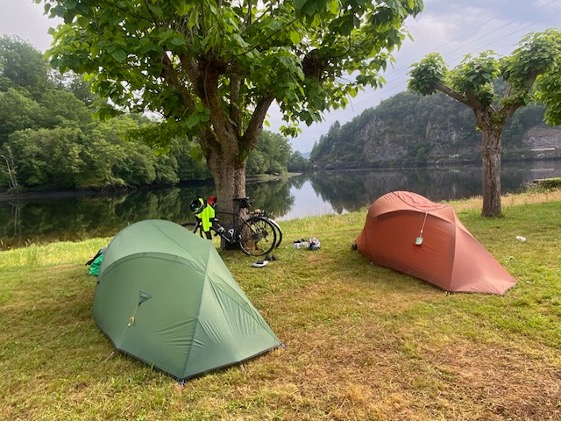
France is probably the best country in the world for camping. It has vast numbers of lovely sites scattered liberally around, so you’re unlikely to be left wanting. If you’re on a budget, look out for the ubiquitous ‘Camping Municipals’, which are typically small, slightly scruffy campsites owned by the local community, and which tend to be the cheapest.
Wild camping is permissible in many areas (though generally not the National Parks), as long as you have the landowner’s permission and you camp for one night only with minimal impact. It’s certainly possible in the more remote rural areas which tend to be sparsely populated.
I don’t recall ever needing to resort to a hotel or B&B in France, but in the unlikely event that you can’t find a campsite. use www.booking.com or similar to book ahead. Be aware that accommodation can be quite pricey though.
Cost of touring in France
France is roughly comparable to Britain for prices, i.e. not particularly cheap for food or accommodation. Sticking to smaller campsites and using the larger supermarkets for food is likely to be the cheapest option.
Eurovelo routes in France
France is criss-crossed by quite a few long-distance Eurovelo routes. See my thoughts on Eurovelo, or go to www.eurovelo.com to plan a trip.
I’ve cycled stretches of Eurovelo 1, which follows the coast from the Pyrenees up to Brittany, and is an excellent route. It’s busy but generally very family-friendly, on well-marked cycle paths and minor roads. Eurovelo 4 joins it at Brittany and carries on north through Normandy and along the channel coast.
Eurovelo 3 crosses France from north to south and Eurovelo 6 from west to east. I haven’t tried either of these but they go through lovely parts of the country and I would confidently predict that they would both make great trips.
Suggested highlights in France
France is, in my opinion, the best country in the world for cycle touring and you’ll have a great trip wherever you go. However, here are some highlights and lowlights.
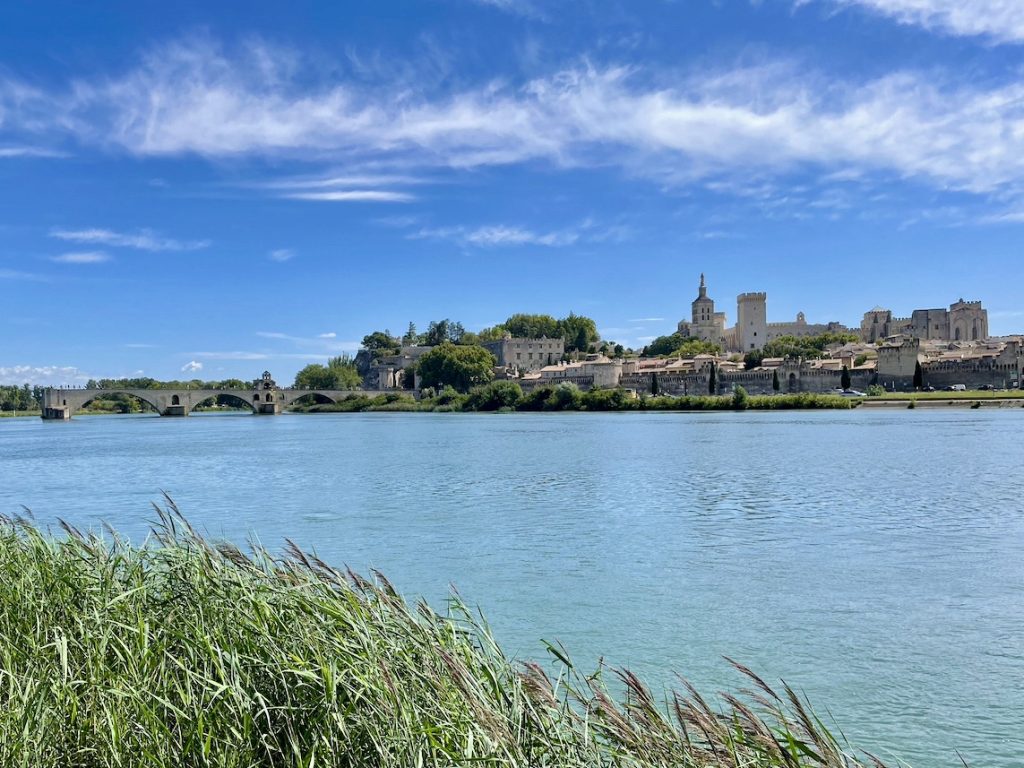
The great French rivers – the Rhine, Loire, Dordogne and others – generally make superb cycling routes and are well-equipped with cycle paths. Similarly, some of the canals, such as the Canal du Midi, have cycle paths that go on for miles and are perfect if you’re looking for a pleasantly flat, family-friendly ride.
The Alps and Pyrenees are obviously stunning and if you tour in them, you have the added bonus of being able to tick off some of the most famous Tour de France climbs. However, to state the obvious, you need to be prepared for some pretty big climbs and the risk of inclement weather, whatever the time of year.
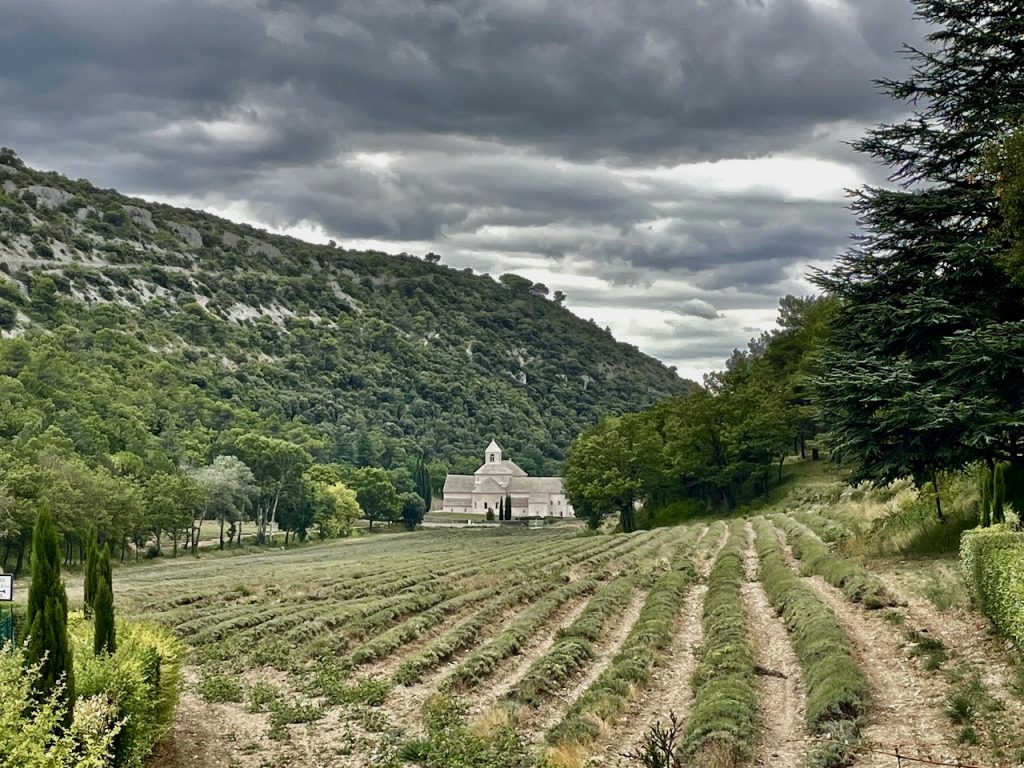
If you’re looking for warmth, you can do a lot worse than the west-east strip of France that runs from the Atlantic coast just north of the Pyrenees, across to the Alps, taking in such glories as the Cevennes and Provence.
However, I tend to stay away from the south coast itself. Sure, it has some lovely spots, but it also has some surprisingly grim stretches of tourist-packed theme parks and vast, sprawling campsites with bike theft problems! I’d suggest doing your own research and dipping across to see select stretches of the coastline rather than just following the sea along.
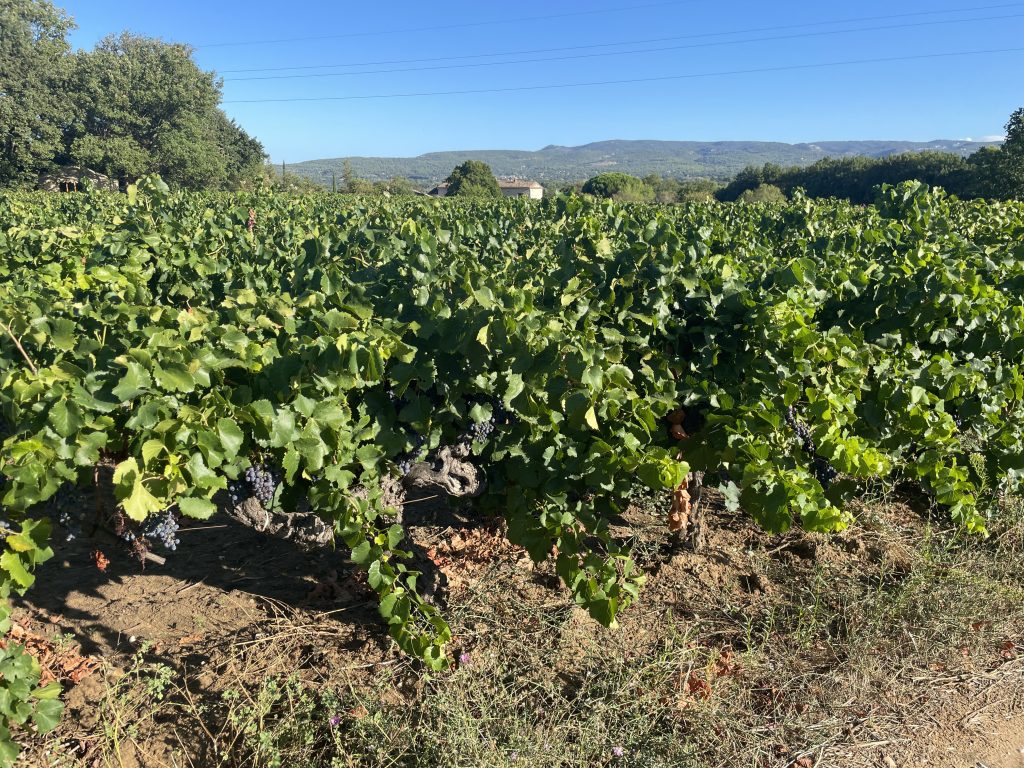
If you’re taking a trip in early autumn, then head for any of the big wine growing areas, such as Alsace and the Rhine region. There is something magical about cycling through beautiful vineyards with the autumn colours just starting to emerge, and the alluring smell of grapes being pressed in every town and village.
The vast area of sweeping farmland in the north west between Calais and Paris is… fine, and has plenty of attractive towns and villages, but is not the most visually arresting region of France. Much of it consists of vast fields of cereal crops with little in the way of hedges or woodland. However, it’s unavoidable if you’re doing London to Paris, or starting your French tour in Calais, in which case just spend a couple of days sucking it up before you get to the more appealing areas!
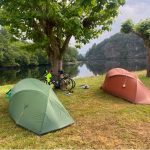
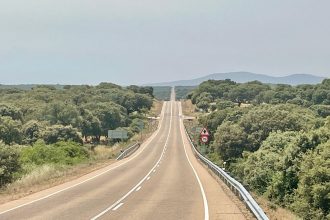
Photos from our trips in France