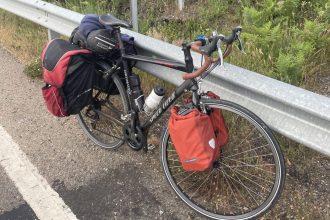
When I’m touring, my phone keeps pretty busy. I use it for route planning, map-reading and listening to music or podcasts on the road, as well as all of the usual emails etc. I also carry a Kindle e-reader instead of books. This means I need lots of power! Here is how I keep everything charged.
Power bricks
Having a USB power brick is pretty much essential. These are simply rechargeable batteries that you can top up when convenient, via USB charging, and will then power and charge your phone for you when on the road. Nowadays they are pretty cheap and fairly lightweight – ideal for touring. I usually carry two with me, and top them up whenever I can.
Mains charging
Whether you’re camping or hotelling, you will end up needing to charge your phone and/or a power brick most nights.
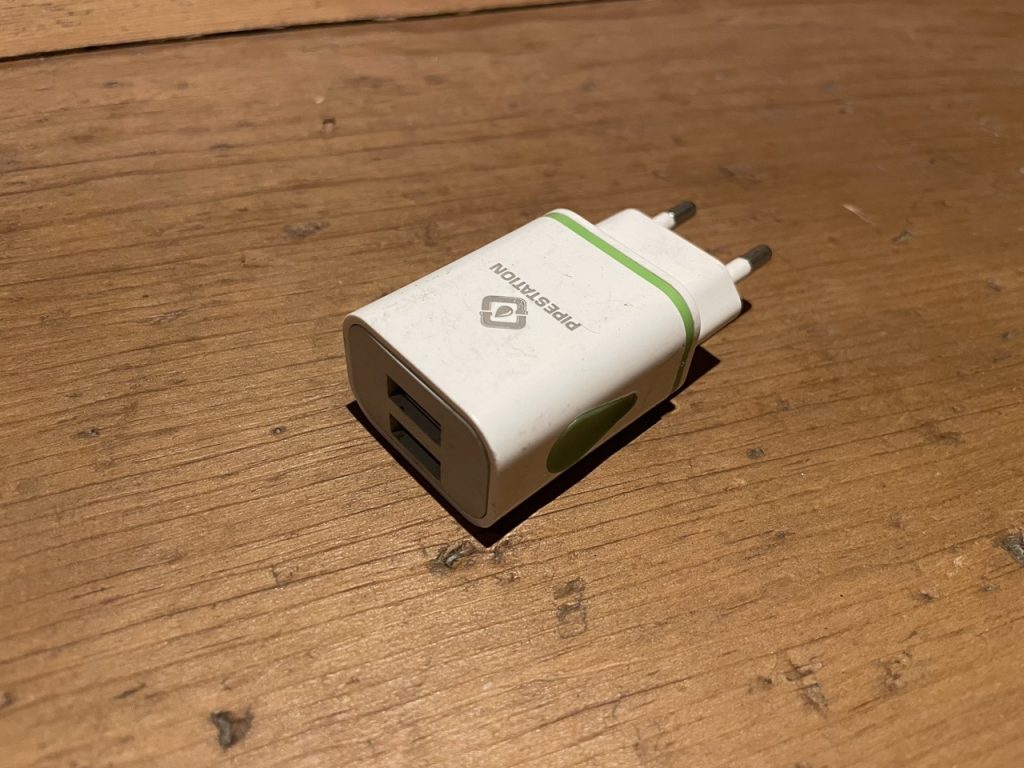
You may be lucky enough to find a USB socket somewhere, but for the most part you will need a mains adaptor, suitable for your destination. For southern Europe, you can often get away with just an unearthed 2-pin adaptor. They cost less than £10 and will directly plug into shaver sockets, earthed and unearthed mains plugs, and even many campsite supplies.
I’d recommend getting one with two USB sockets on it, so you can charge both your phone and a power brick overnight.
Campsite adaptors
While you can often charge your phone in a campsite reception, or shaver socket in a toilet block, this can be a bit inconvenient. Ideally you want to be able to charge using the outdoor mains outlet close to your tent.
As above, for much of southern Europe (where it doesn’t rain much) you’ll find that campsite mains sockets will take a standard European 2-pin plug.
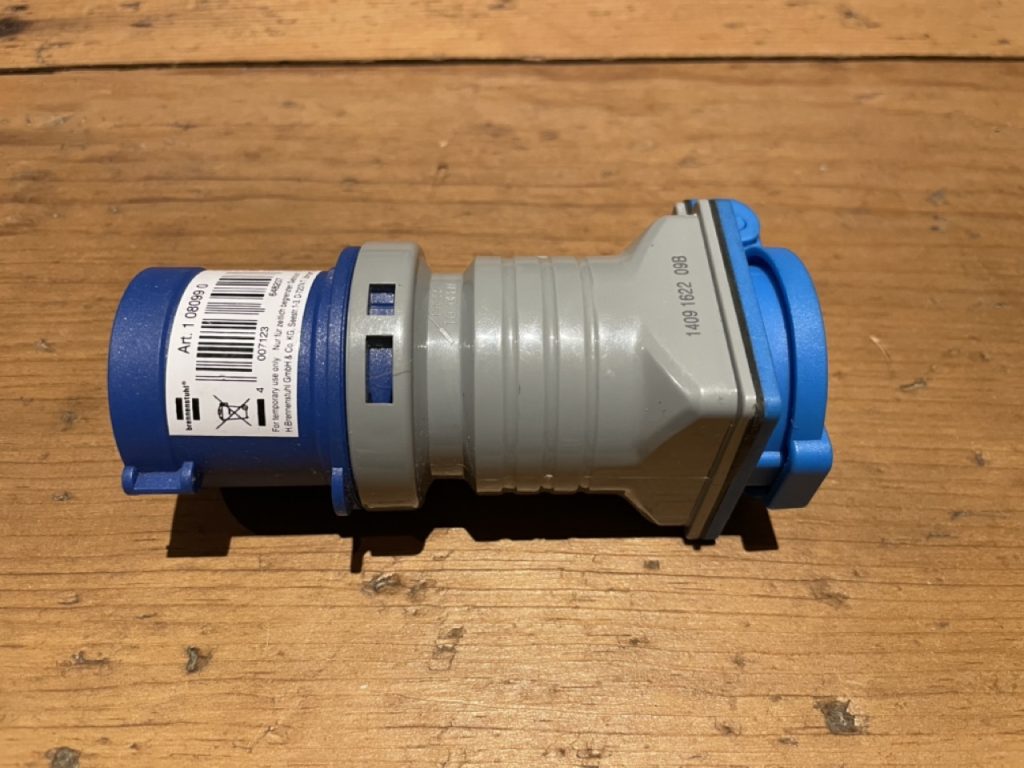
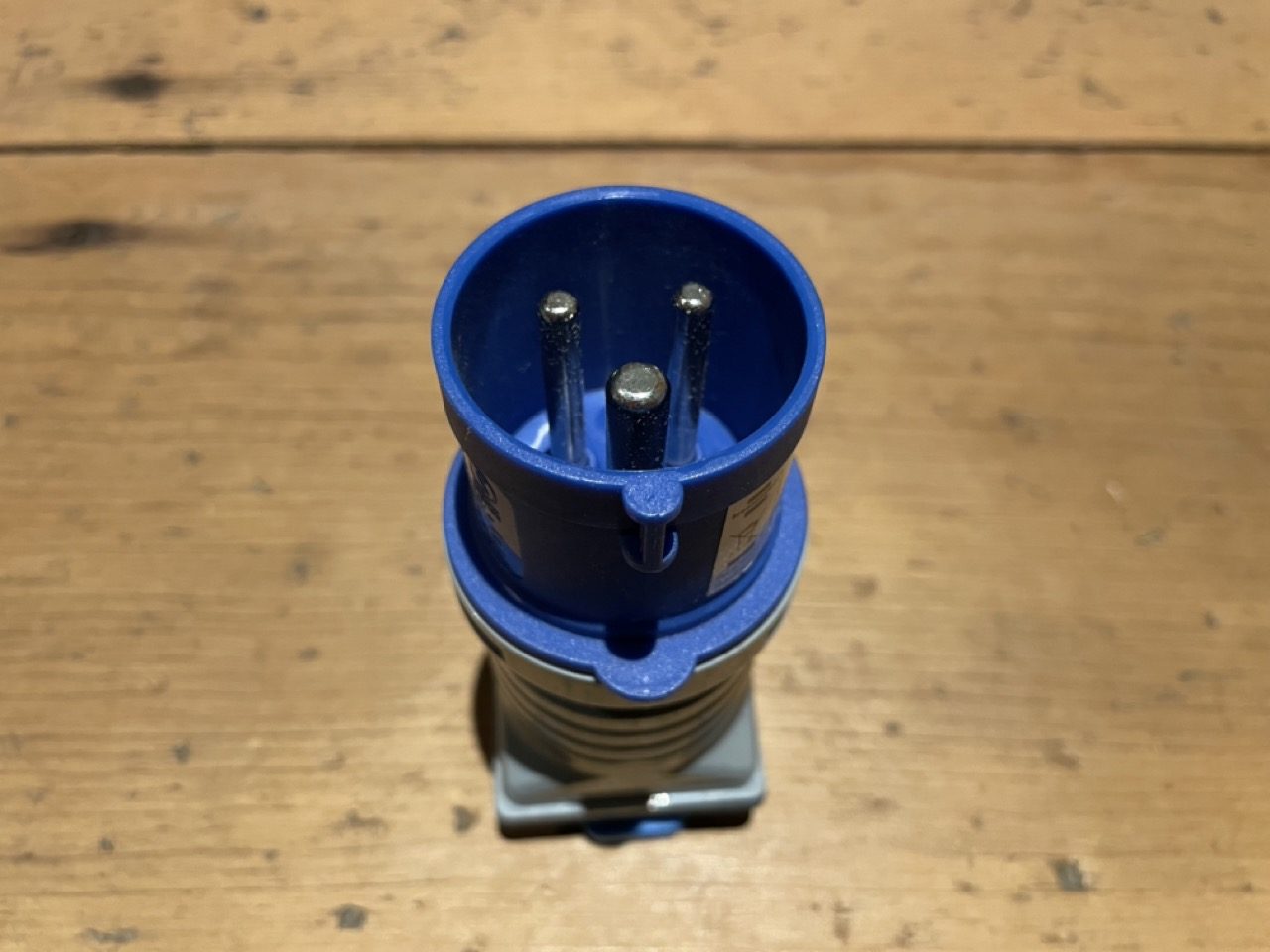
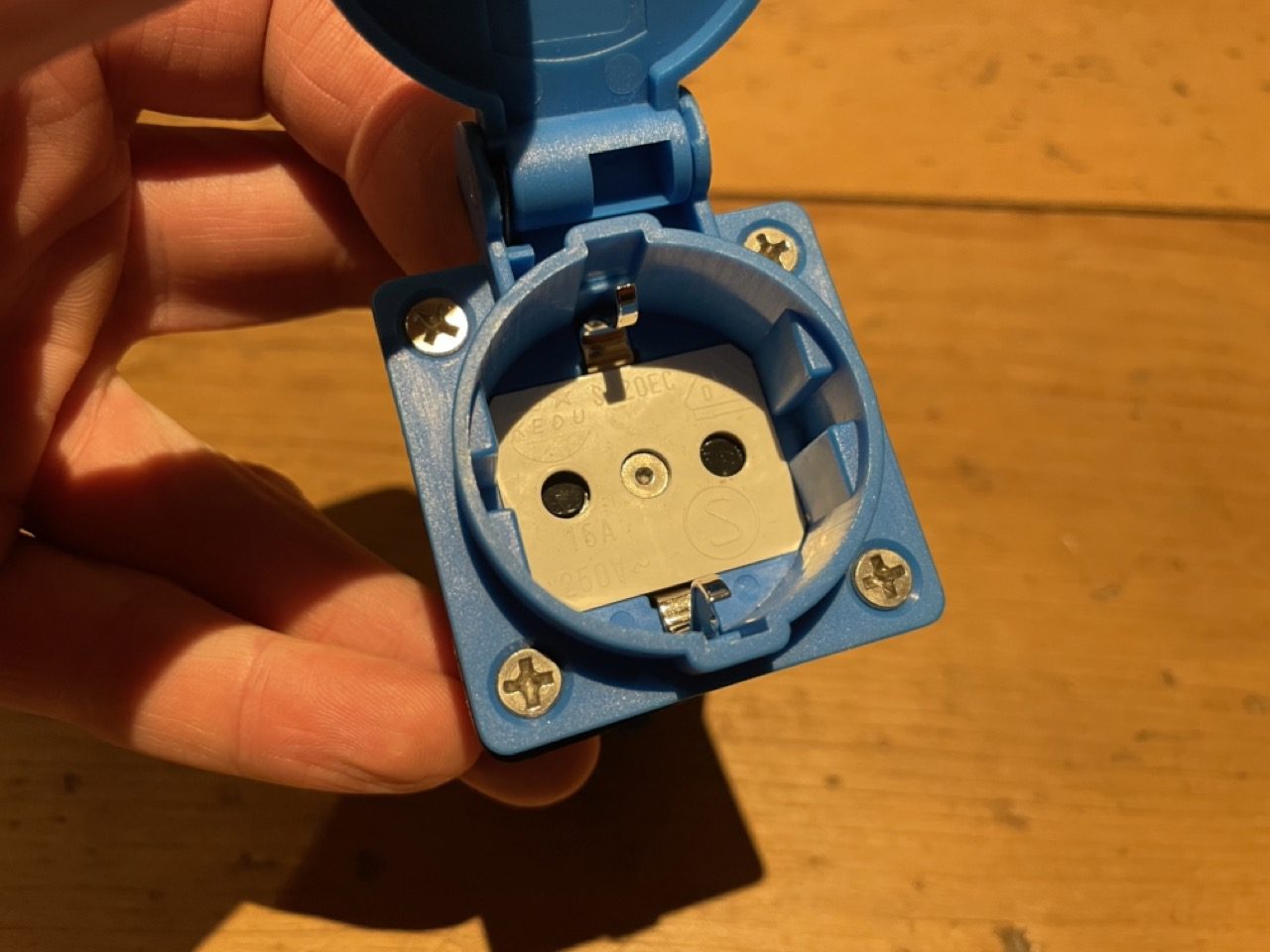
However, northern European (England, France, Germany etc) campsites require a chunky 3-pin waterproof connector. When I’m touring in these regions I always carry one of these, so that I can get everything charged at my pitch.
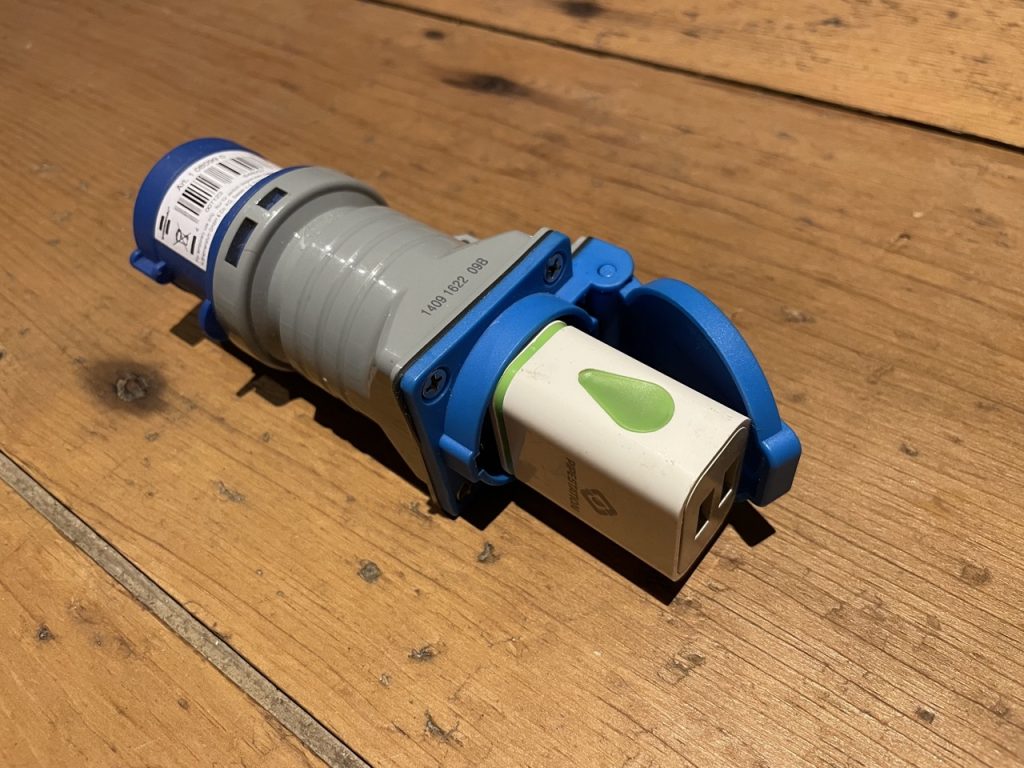
If you get an adaptor that goes from waterproof 3-pin directly to European 2-pin then you only need to carry the 2 adaptors and they will work anywhere. See the pictures if it doesn’t make sense! These are tricky to find in the UK, you may need to stop by a European camping shop.
Solar panels
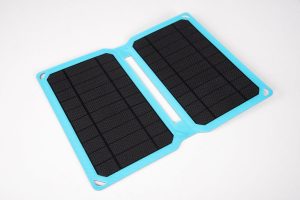
For my last trip, I also took a small folding solar panel with me, mainly as I was planning on doing some wild-camping and would therefore be unable to do mains charging at night. There are various models available, but based on various reviews I chose the Alpkit Flare.
I was a little sceptical about whether this would work, but it did a great job. Most days I had it spread out over my rear panniers, charging one of my power bricks, and sometimes propped up by my tent in the evening. It comes with a couple of mini-karabiners for clipping to your pannier rack. Over the course of a sunny day it was able to top-up roughly the same amount of juice as my phone used, which was ideal.
Bear in mind that the manufacturer’s recommendation is to use the solar panel to charge a power brick, and then charge your phone from that. They do not recommend charging your phone directly.
I should also add that this trip was touring in Spain in June, when the sun was baking. I wouldn’t bother taking it if touring in northern Europe, or when it was overcast.
Hub dynamos
I’ve bumped into tourers on the road who use hub dynamos to provide power, though I’ve never tried one myself. These are built into the wheel and provide a USB connection for charging, powered by your pedalling.
They seem like a pretty good idea if you’re doing long distances in cooler or cloudier climates where solar isn’t an option. However, I’m always a little hesitant to overcomplicate my bike with components that aren’t easily replaceable wherever I go.
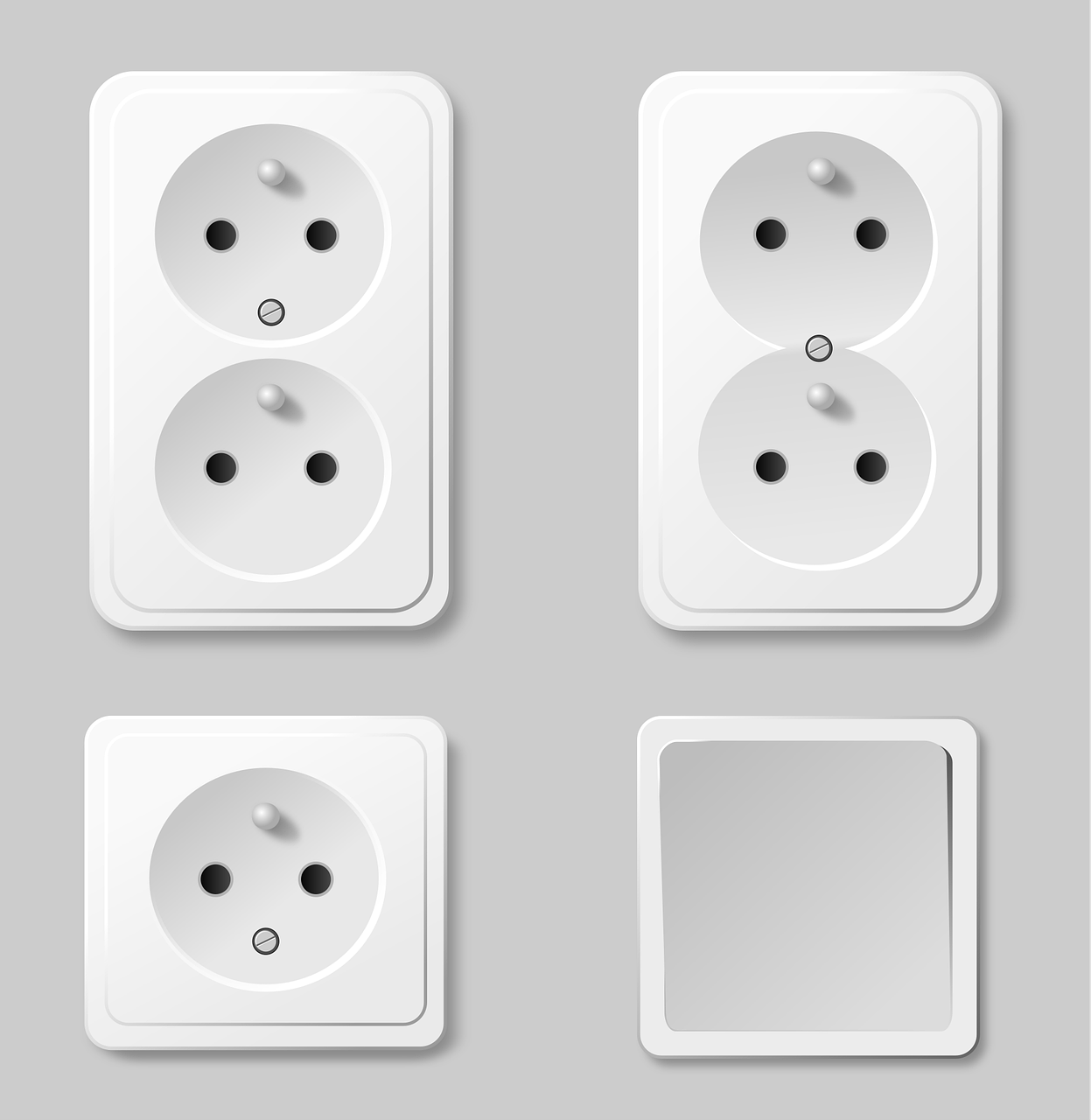
Power socket image by OpenClipart-Vectors from Pixabay